Understanding AI Roleplay
In a rapidly evolving technological landscape, the concept of ai roleplay has emerged as a transformative force that blends artificial intelligence with immersive storytelling. This innovative approach allows users to engage in simulated environments where they can explore various scenarios and interact with AI characters. By harnessing the power of AI, roleplay is no longer confined to mere imagination; instead, it serves as a practical tool for learning, development, and entertainment across diverse fields.
What is AI Roleplay?
AI roleplay represents a unique intersection of artificial intelligence and roleplaying games (RPGs), where computer-generated characters and environments interact with human users in real-time. This technology leverages machine learning algorithms to create responsive and adaptive storytelling experiences. Unlike traditional roleplay that relies heavily on scripted narratives, AI roleplay allows for dynamic interactions, enabling users to influence outcomes based on their decisions. This opens up endless possibilities in education, business training, and personal development, where scenarios can be tailored to individual learning or training objectives.
The Evolution of Roleplay Technologies
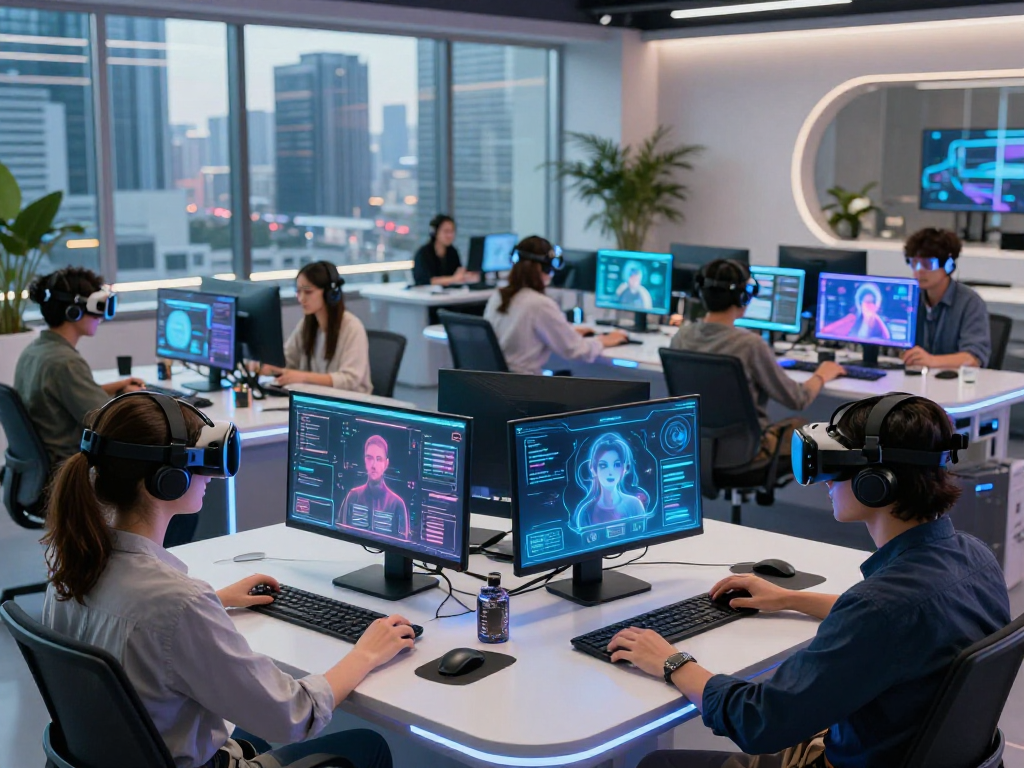
The journey of roleplay technologies began with simple text-based games, evolving significantly over the decades. Early forms of roleplaying allowed players to engage in static, predetermined scenarios. However, advancements in computing power and artificial intelligence have ushered in a new era of interactive and immersive experiences. Virtual and augmented reality technologies further enhance these experiences, allowing users to engage not just cognitively but also physically within a roleplay scenario. The integration of AI has made it possible for characters to learn from player interactions, providing a more personalized and engaging experience.
Key Benefits of AI Roleplay in Various Fields
- Enhanced Engagement: AI roleplay captures learners' attention more effectively than traditional teaching methods through interactive scenarios that require active participation.
- Personalized Learning: The adaptive nature of AI means that roleplay can cater to individual learning styles and needs, ensuring effective outcomes.
- Safe Learning Environment: Users can explore decision-making in high-stakes situations without real-world consequences, making it an effective tool for training.
- Immediate Feedback: AI systems can provide instant feedback, allowing users to adjust their strategies and improve their skills in real-time.
Applications of AI Roleplay in Education
Enhancing Learning Experiences with AI Roleplay
In an educational context, AI roleplay serves to enhance learning experiences by transforming passive learning into active engagement. Traditional methods often leave students as mere recipients of information. In contrast, AI roleplay allows students to assume various roles in simulated environments where they can practice problem-solving, critical thinking, and teamwork. For example, medical students can engage in AI-driven patient simulations, gaining hands-on experience in diagnosing and treating virtual patients, which significantly enhances their practical skills before facing real-life scenarios.
Case Studies: Successful AI Roleplay in Classrooms
Several schools and universities have begun implementing AI roleplay in their curricula with remarkable success. For instance, a university in the United States has introduced an AI roleplay platform in its psychology programs, allowing students to take on the roles of both therapists and patients. This not only helps students understand diverse psychological conditions but also fosters empathy and communication skills, vital for their future careers. Another example can be seen in history classes where students actively participate in simulations of historical events, thus deepening their understanding and retention of the subject matter.
Measuring Outcomes and Engagement
To assess the effectiveness of AI roleplay in education, various metrics can be used. Surveys and feedback forms can gauge student engagement and satisfaction levels, while academic performance can be monitored through pre- and post-roleplay assessments. Early data indicates that students engaged in AI roleplay show improved retention of information and enhanced critical thinking skills compared to peers who utilized traditional educational methods. Moreover, tracking participation rates can also provide insights into the motivational factors associated with AI-driven learning environments.
AI Roleplay in Business Training
Effective Strategies for Corporate Training
In the business sector, AI roleplay has positioned itself as an innovative solution for corporate training. Organizations are increasingly leveraging this technology to train employees in soft skills, sales techniques, and customer service interactions. By creating realistic scenarios that mimic real-world challenges, employees can practice and refine their skills in a controlled environment. For instance, a major retail chain implemented AI roleplay to train sales associates on handling difficult customers, resulting in a measurable improvement in customer satisfaction scores.
Real-World Examples of Roleplay in Professional Development
Many companies have adopted AI roleplay as part of their professional development programs. For instance, a global consulting firm utilized AI-driven roleplay to simulate strategic decision-making environments for its leadership training. Participants engaged in scenarios that required them to navigate complex business challenges, with AI providing real-time feedback on their decisions. This not only enhanced their decision-making skills but also fostered a culture of innovation and collaboration within the company.
Evaluating Performance Improvement
Evaluating the effectiveness of AI roleplay in business training can be achieved through various means, including performance metrics, employee assessments, and feedback mechanisms. Organizations can track key performance indicators (KPIs) such as sales figures, customer feedback, and employee retention rates to determine the success of their training initiatives. Furthermore, by integrating AI roleplay with existing performance management systems, companies can gain deeper insights into the correlation between training and employee performance outcomes.
The Future of AI Roleplay
Emerging Trends in AI Roleplay Technologies
As we move toward 2026, several emerging trends are likely to shape the future of AI roleplay. The integration of more sophisticated natural language processing technologies will allow for more seamless interactions between users and AI characters, resulting in richer narratives and experiences. Additionally, advancements in VR and AR technologies will expand the immersive nature of roleplay scenarios, creating more lifelike environments that enhance engagement and realism.
Predictions for AI Roleplay in 2026 and Beyond
Looking ahead, AI roleplay is set to become an integral component of both educational and corporate training frameworks. By 2026, it is expected that more educational institutions will adopt this technology as a standard method for enhancing learning engagement. In the corporate sector, tailored AI roleplay experiences will likely become commonplace, focusing not only on technical skills but also on fostering emotional intelligence and soft skills necessary for leadership and teamwork.
Challenges and Considerations for Implementation
While the benefits of AI roleplay are significant, there are challenges that organizations must address before implementation. Issues such as data privacy, accessibility, and the need for adequate training resources must be considered. Additionally, organizations must ensure that the content used in AI roleplay scenarios is relevant and updated to reflect current industry standards. Overcoming these challenges will necessitate a collaborative effort between educators, business leaders, and technology developers to create effective and sustainable solutions.
Conclusion and Next Steps for Integrating AI Roleplay
Best Practices for Organizations
For organizations looking to integrate AI roleplay into their training and development programs, several best practices should be followed:
- Start Small: Begin with a pilot program to test the effectiveness of AI roleplay before a company-wide rollout.
- Focus on Continuous Improvement: Gather feedback from participants and adjust scenarios based on their experiences to ensure relevancy and engagement.
- Collaborate with Experts: Work with AI and educational technology experts to create impactful roleplay scenarios that meet the specific needs of your organization.
Resources for Further Exploration
Organizations interested in leveraging AI roleplay should explore various platforms and resources available in the market. Online forums, webinars, and industry conferences can provide valuable insights into best practices and emerging trends. Additionally, connecting with other organizations that have successfully implemented AI roleplay can offer practical guidance and inspiration for creating their training solutions.
FAQs: Common Questions About AI Roleplay
- What is the primary purpose of AI roleplay? The primary purpose is to create immersive learning experiences that allow users to engage actively with content, enhancing their skills and understanding.
- Is AI roleplay suitable for all age groups? Yes, AI roleplay can be adapted for various age groups, from children in educational settings to professionals in corporate training.
- How does AI roleplay improve learning outcomes? By providing personalized feedback, simulating real-world scenarios, and fostering engagement, AI roleplay can significantly enhance learning retention and skill acquisition.